Does OSHC Cover Dental and Optical for International Students in Australia 2026?
As an international student in Australia, you already know that Overseas Student Health Cover (OSHC) is a mandatory visa requirement. But when it comes to dental, optical, and other routine health services, the standard OSHC policy leaves most students confused—and out of pocket. In 2026, the answer remains clear: basic OSHC does NOT cover dental or optical. Only specific hospital-grade plans from Medibank or Bupa offer limited extras, and even then, the coverage is far from comprehensive.
This article breaks down exactly what each major OSHC provider covers for dental emergencies, routine dental care, optical needs, and physiotherapy. We’ll also explore cheaper alternatives and help you decide if upgrading your OSHC is worth the extra $200+ per year.
What Standard OSHC Covers (and What It Doesn’t)
Standard OSHC policies from providers like Allianz Care, nib OSHC, and Australian Unity are designed for hospital and medical care—not for routine dental or optical. Here’s a quick snapshot:
- Hospital treatment: Yes (public hospital shared ward, same-day surgery).
- Doctor visits (GP): Yes (Medicare Benefit Schedule fees).
- Prescription medicines: Yes (limited to PBS listed medications).
- Dental (routine): No (fillings, scale and clean, check-ups).
- Dental (emergency): Very limited (usually only emergency extraction in hospital).
- Optical: No (glasses, contact lenses, eye tests).
- Physiotherapy: Limited (typically only after hospitalisation, not for general treatment).
The key takeaway: standard OSHC is for emergencies and essential medical care—not for keeping your teeth clean or your vision sharp.
Dental Coverage: What Each Provider Offers in 2026
Emergency Dental (Most Providers Cover Extraction Only)
Every OSHC provider covers emergency dental treatment if it requires hospitalisation. This means:
- Allianz Care OSHC: Covers emergency dental extraction when performed in a hospital as an admitted patient. Does not cover routine check-ups, fillings, or cleanings.
- nib OSHC: Similar—emergency dental only if you are admitted to hospital. No cover for general dental.
- Medibank OSHC (Standard): No dental cover. Medibank’s OSHC Comprehensive (optional upgrade) includes a small allowance for dental extras, but it’s capped.
- Bupa OSHC (Standard): No routine dental. Bupa’s OSHC Comprehensive includes limited dental extras (e.g., up to $500 per year for dental, but only for major treatments like extractions, not routine check-ups).
Important: Even with comprehensive plans, routine dental like fillings, scale and clean, and check-ups are not covered by any standard OSHC. Only emergency extraction in a hospital setting is universally covered.
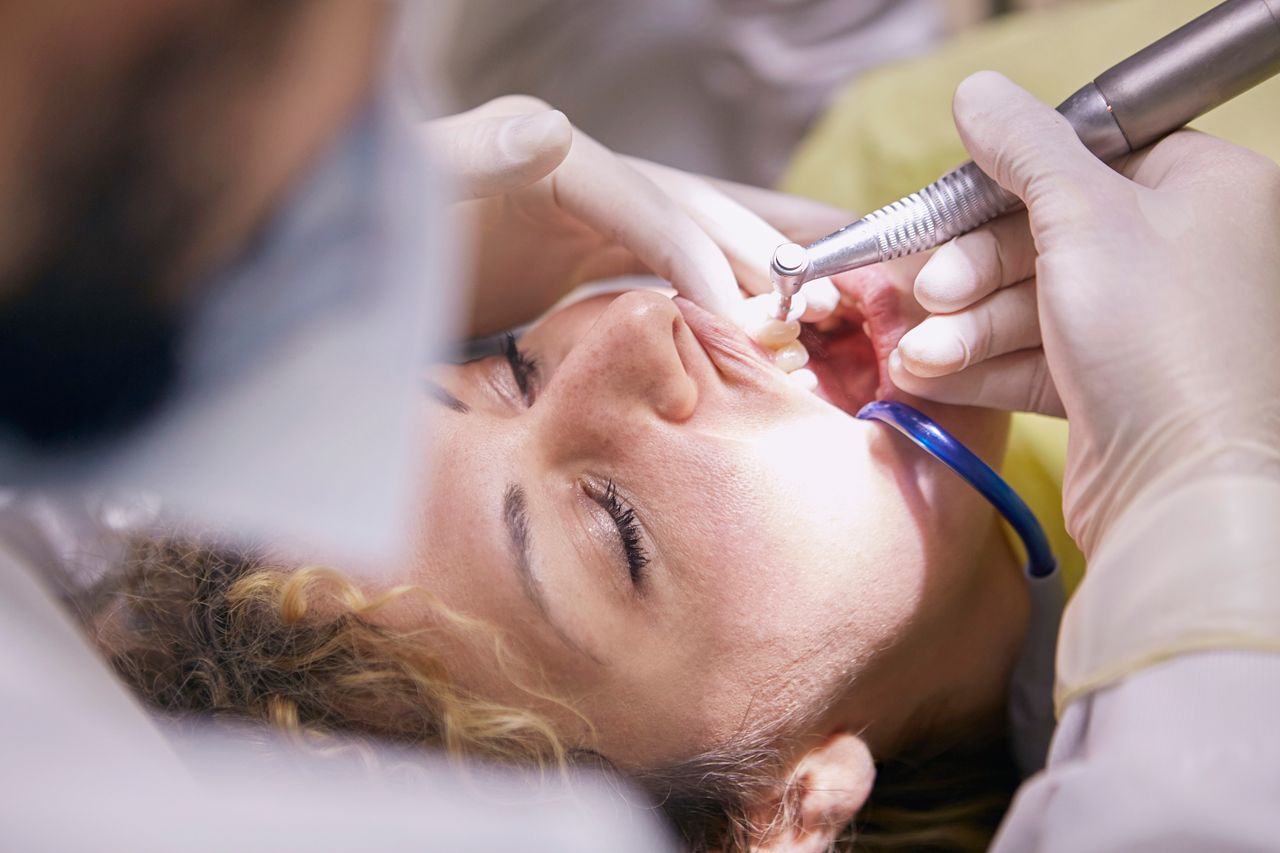
Routine Dental (Fillings, Scale/Clean) – Not Covered by Standard OSHC
If you need a simple filling or a routine clean, you will pay 100% out of pocket. No standard OSHC policy covers these services. The only exception is if you upgrade to a comprehensive plan (like Medibank or Bupa’s OSHC Comprehensive), which may offer a small annual cap (e.g., $200–$500) for dental extras—but even then, it’s not a full cover.
Optical Coverage: Glasses, Contacts, and Eye Tests
Standard OSHC does not cover optical services. This includes:
- Eye tests (refraction, visual acuity).
- Prescription glasses or contact lenses.
- Contact lens fitting or cleaning solutions.
Even comprehensive OSHC upgrades from Medibank or Bupa typically exclude optical. For example:
- Medibank OSHC Comprehensive: No optical cover.
- Bupa OSHC Comprehensive: No optical cover (though Bupa’s extras for domestic members include optical, this does not apply to OSHC).
If you wear glasses or contacts, you must budget for these costs separately.
Physiotherapy Coverage (Limited)
Physiotherapy is not a standard OSHC benefit. However, some providers offer limited cover if physiotherapy is medically necessary after a hospital stay (e.g., post-surgery rehabilitation). For general physiotherapy for back pain or sports injuries, you will pay out of pocket.
- Allianz Care: No physiotherapy cover.
- nib OSHC: No physiotherapy.
- Medibank OSHC Comprehensive: Includes a small allowance (e.g., up to $300 per year) for physiotherapy, but only for specific conditions.
- Bupa OSHC Comprehensive: Similar—limited physiotherapy cap.
Cheaper Alternatives for Dental, Optical, and Physiotherapy
Since OSHC won’t cover your routine dental or optical needs, here are three cost-effective alternatives used by thousands of international students in Australia.
1. University Health Centres (Heavily Subsidised)
Most Australian universities operate on-campus health centres that offer heavily subsidised dental, optical, and physiotherapy services for students.
- Example: University of Melbourne Dental Clinic charges around $30–$50 for a check-up, clean, and fluoride treatment. Fillings start from $80.
- Example: University of Sydney Health Service offers bulk-billed GP visits and discounted physiotherapy (around $40 per session).
- Optical: University optometry clinics (e.g., UNSW Optometry Clinic) offer free or low-cost eye tests and discounted glasses.
2. Public Dental Hospitals (Pay ~$30 per Appointment)
Australia’s public dental hospitals provide emergency and routine dental care at a fraction of private prices. International students can access these services, though wait times can be long for non-urgent treatment.
- Cost: Around $30–$50 per appointment for a check-up or extraction. Fillings may cost $60–$100.
- Where: Major cities have dedicated dental hospitals (e.g., Royal Dental Hospital Melbourne, Sydney Dental Hospital). You don’t need Medicare—just your student ID and OSHC card.
3. Optical Discount Chains (e.g., $99 Glasses)
For glasses and contact lenses, skip the expensive optometrists and head to discount chains:
- Specsavers: Offers $99 complete glasses (frames + lenses) and $65 eye tests (often free if you buy glasses).
- OPSM: Similar deals—$99 glasses and $60 eye tests.
- Online retailers: Zenni Optical, Clearly, and EyeBuyDirect offer frames starting from $20 with free shipping.
Tip: Many discount chains also offer free eye tests if you purchase glasses. Always ask for a student discount.
Verdict: Should You Upgrade to Comprehensive OSHC?
If you need regular dental care, optical, or physiotherapy, upgrading to a comprehensive OSHC plan (like Medibank or Bupa’s OSHC Comprehensive) might save you money—but only if you use the benefits.
Cost Comparison
- Standard OSHC: ~$500–$700 per year.
- Comprehensive OSHC (Medibank/Bupa): ~$750–$1,000 per year.
- Extra cost: $200–$300 more per year.
What You Get
- Dental: Up to $500 annual cap (but only for major treatments, not check-ups).
- Physiotherapy: Up to $300 annual cap.
- Optical: None.
When to Upgrade
- If you know you will need major dental work (e.g., root canal, crown) or ongoing physiotherapy.
- If you have pre-existing conditions that require regular physiotherapy.
When Not to Upgrade
- If you only need routine check-ups and cleanings (cheaper at uni clinics or dental hospitals).
- If you don’t wear glasses and don’t need physiotherapy.
Buy the Right OSHC Level – Compare Before You Decide
Choosing the right OSHC policy is about balancing cost and coverage. Don’t just pick the cheapest plan—compare what you’ll actually use.
👉 Compare OSHC plans from Medibank, Bupa, Allianz, and nib via Flywire – Flywire lets you see side-by-side coverage details for dental, optical, and physiotherapy. You can also purchase directly through their platform.
Click here to compare OSHC plans on Flywire
Final Takeaway
- Standard OSHC does NOT cover routine dental or optical in 2026.
- Emergency dental extraction in hospital is covered by all providers.
- Cheap alternatives exist: university clinics (
$30 dental), public dental hospitals ($30–$50), and discount optical chains ($99 glasses). - Upgrade to comprehensive OSHC only if you need major dental work or frequent physiotherapy.
- Always compare plans before buying – use Flywire to see exactly what each provider covers.
Don’t let dental or optical costs catch you off guard. Plan ahead, use student discounts, and choose the OSHC level that matches your health needs.